Conservation
Protect your forest, farm, waterways, and wildlife habitats permanently.
Through conservation easements, we protect working farms, forests, scenic and historic landscapes, river frontage, mitigation sites, and vital wildlife habitats that remain in private ownership but protected for future generations. We also accept donations of land which we manage as either public or private preserves.
What is a conservation easement?
A conservation easement is a legal agreement between the landowner and the land trust that limits the uses of the land in order to protect its conservation values. Unlike a zoning designation or enrollment in county tax abatement programs (like CUVA in Georgia), a conservation easement is permanent and perpetual. The landowner continues to own the land and can live on it, sell it, or pass it on to heirs with the agreement remaining in place.
Conservation easements can be placed on various types and sizes of both private and public land. In most cases, the landowner is eligible for federal income, estate, or property tax benefits. These will vary and a tax attorney can help determine what applies to your situation. Just like the properties themselves, no two conservation easements are alike.
conserving land with sct
The Southern Conservation Trust’s conservation team works with a variety of landowners, including individuals, corporations, farms, and families, to meet their conservation goals. Our most common conservation successes are listed below and are not mutually exclusive. Reach out if you think a conservation easement would be right for your property!
CONSERVATION OPPORTUNITIES FOR LANDOWNERS
WORKING FARMS & FORESTS
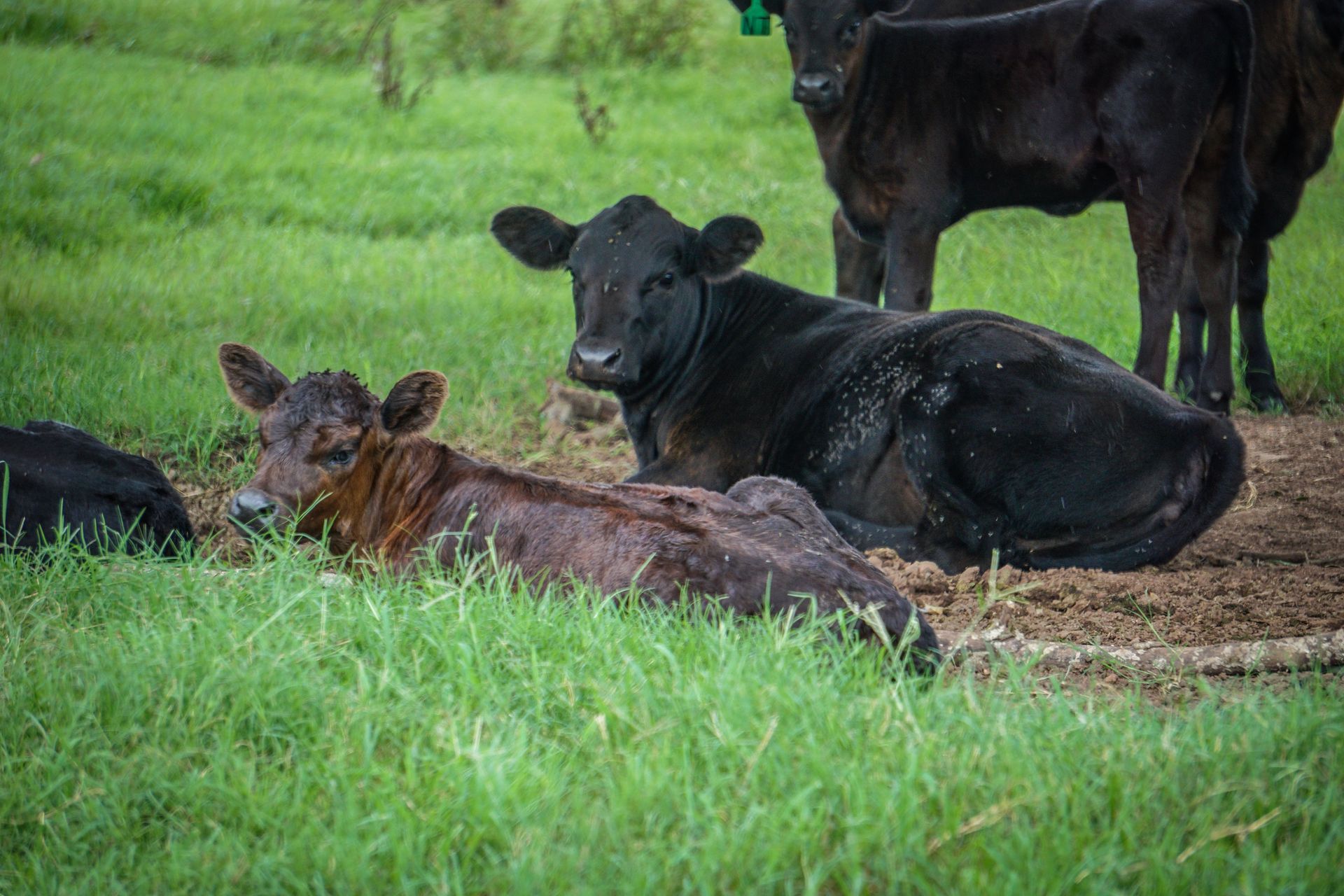
Our rural southeastern lands are under threat of conversion by many new land uses, placing a huge focus on conserving and protecting working farms and forests into perpetuity. We will work with you on the terms of a conservation easement to allow for farmland with prime agricultural soils to stay in production and continue sustainably.
FAMILY LANDS
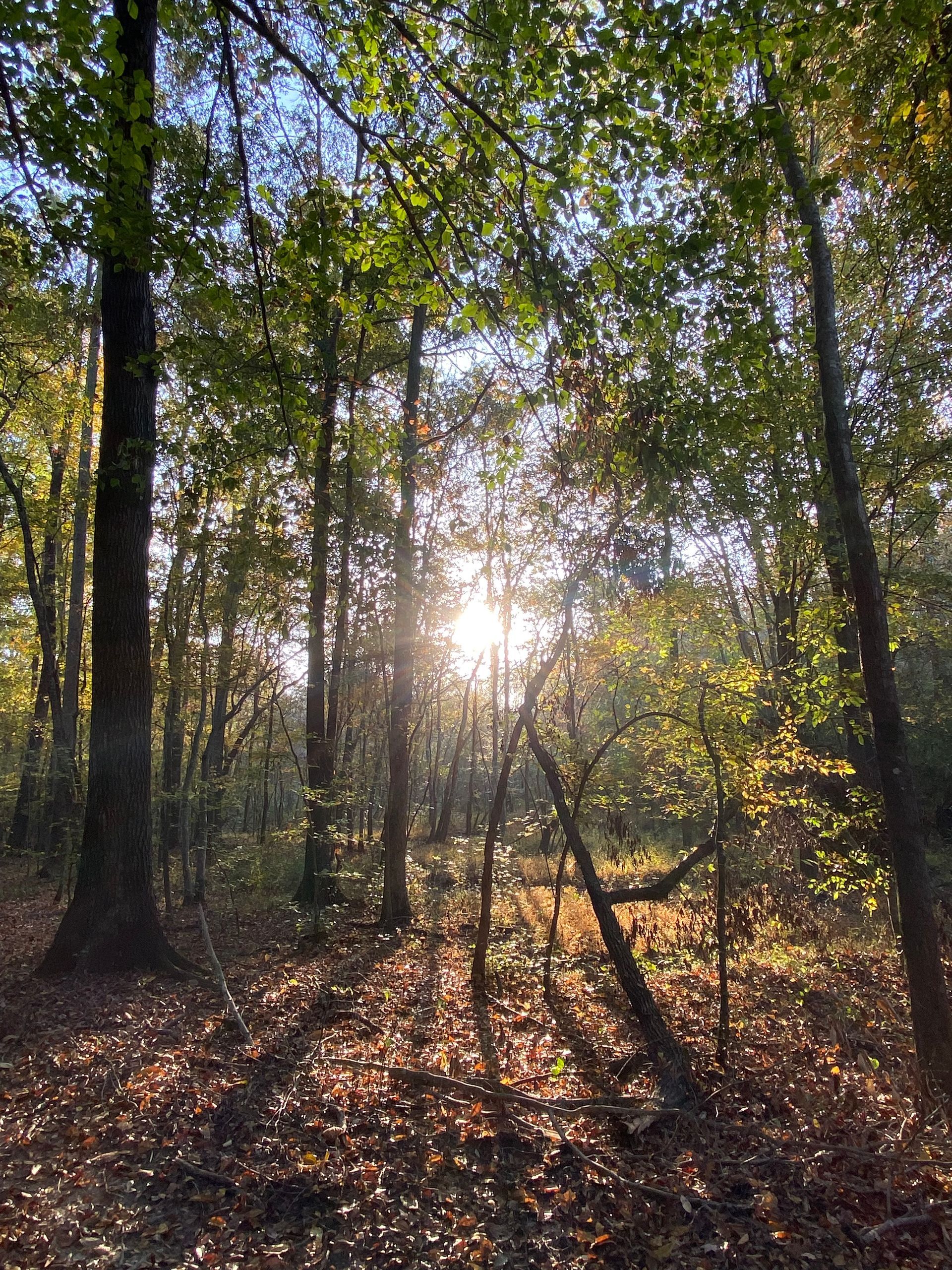
Our team can work with you to protect land that has been in your family for generations so that future generations may enjoy it. Our landowners have many motivations for permanently conserving their property, and many want to protect their family tracts now to secure their legacy in an uncertain future.
HIGH-PRIORITY RESOURCES
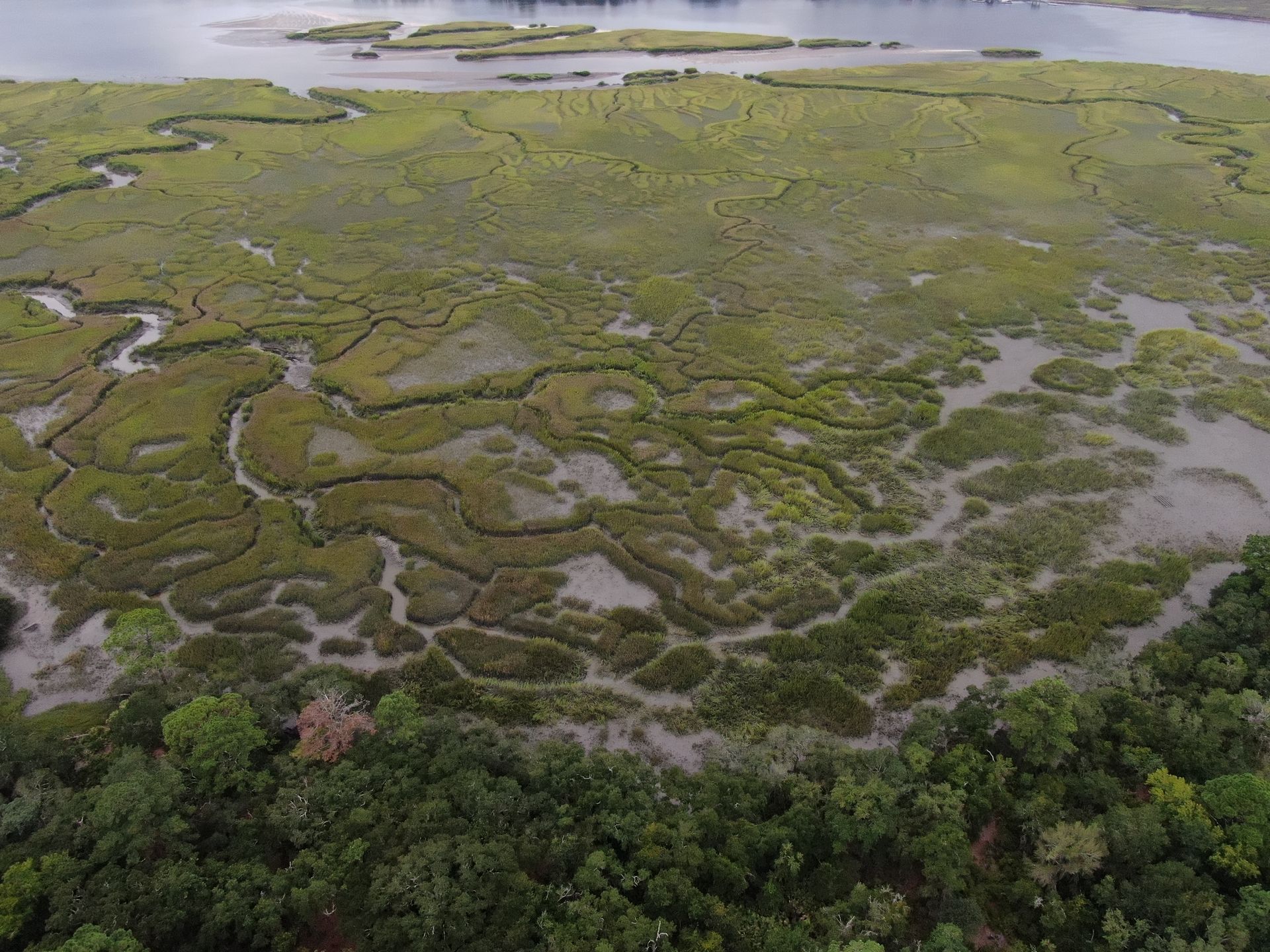
We track regional conservation priorities - whether they be related to species, habitat types, or watersheds - and help landowners contribute to the protection of areas of highest need. SCT relies on multiple sources of regional, county, state, and federal data to match clearly defined targets with conservation efforts.
HAVE A MITGATION PROJECT?
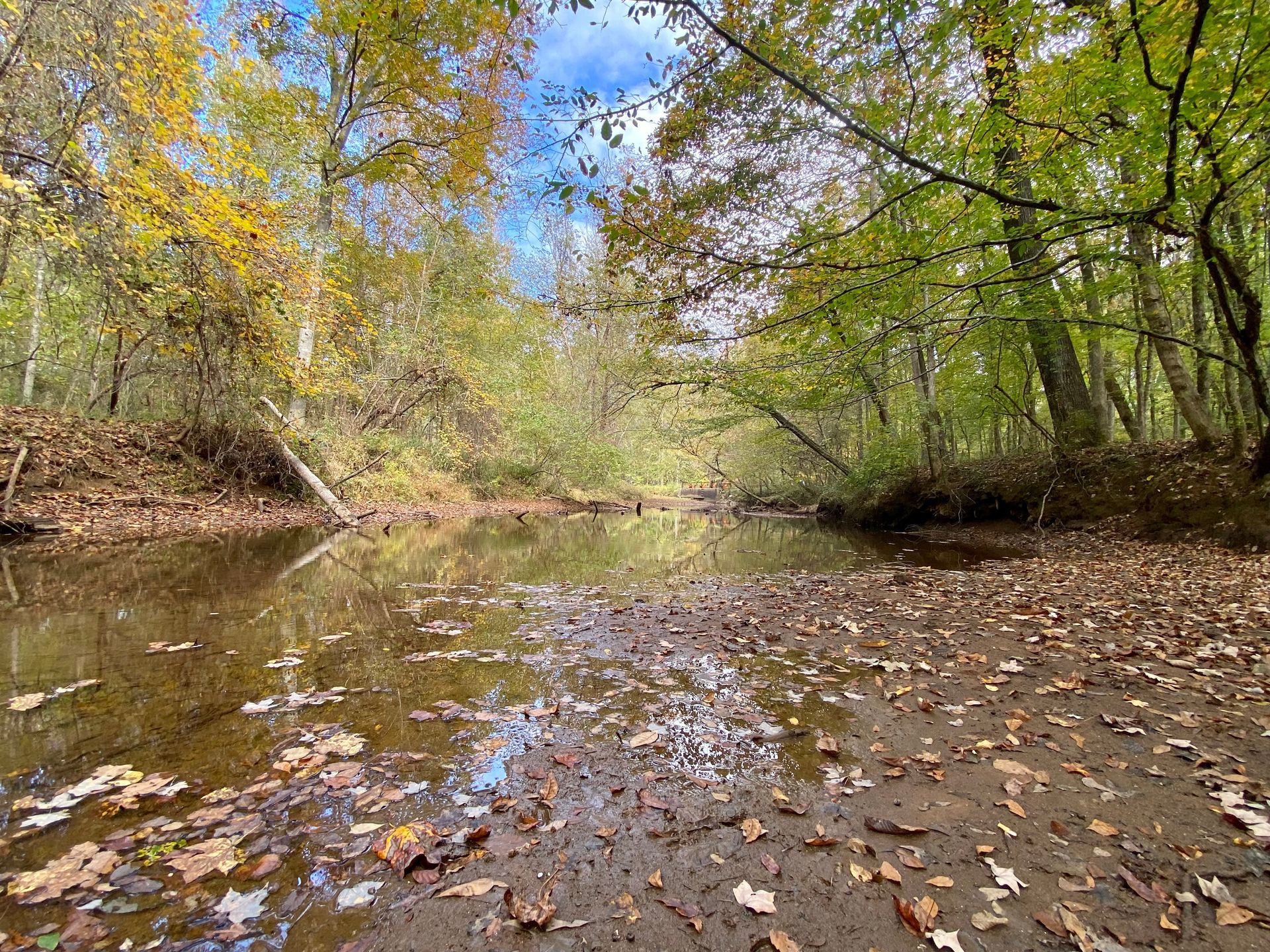
A common component of stream and wetland mitigation banks and riparian buffer offset programs is permanent site protection. We help landowners and mitigation sponsors meet the US Army Corps of Engineers and IRT requirements for a permanent conservation easement and provide long-term management of their mitigation sites.
Fee Simple Property Donations
Interested in transferring ownership of your land entirely? Unlike donating a conservation easement, which keeps the property under your continued ownership, you may prefer to donate your land outright to the Southern Conservation Trust. We accept donations of fee simple property with clear title and protect thousands of acres of greenspace, wildlife habitat, streams, and wetlands this way.
Leave Your Legacy with Planned Giving
Not ready to donate your land yet? That's okay. Some landowners choose to remember SCT in their wills or arrange for a life estate. Explore planned giving options for your real estate or other assets.
Nicks Creek Longleaf Reserve
A Southern Conservation Trust Project
In December 2019, we were donated 1,660 acres in Moore County, North Carolina. The tract of land was slated for development into a golf course, hotel, resort, and other commercial uses. The land is now a crown jewel amongst our nature preserves that the SCT is proud to own and manage as Nicks Creek Longleaf Reserve.
Contact the Conservation Team
Because our team is often in the field, we may miss your call. To ensure we don’t miss your message, please email us or leave a detailed voicemail, and we’ll respond as soon as possible.