





By Tori Betsill
•
April 22, 2026
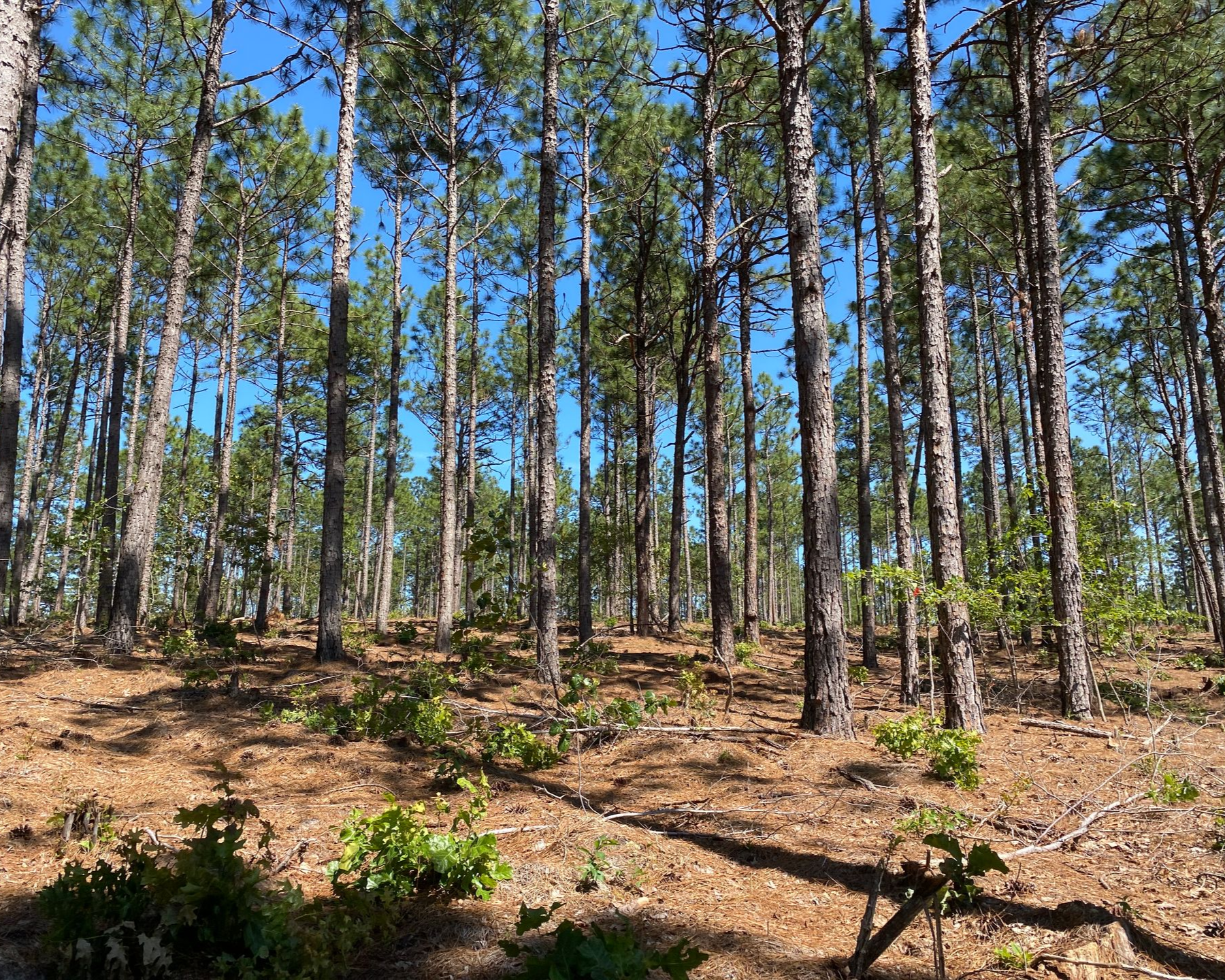
FAYETTEVILLE, GEORGIA, April 22, 2026 – What began with the discovery of native Pink Lady’s Slipper orchids in 2023 has grown into a multi-year conservation effort, one that now serves as a powerful example of how thoughtful development and environmental stewardship can go hand in hand. As plans move forward for the City Center Parkway in Fayetteville, a population of rare Pink Lady’s Slipper orchids was discovered growing within the pine understory of a 38.5-acre tract along Grady Avenue, largely hidden from public view. While not federally endangered, these native orchids are increasingly uncommon and highly sensitive to their environment. They are also protected under Georgia law and classified as a species of concern, meaning it is illegal to remove them without proper authorization, making their presence both special and vulnerable. Rather than allowing the plants to be lost as a result of development and construction, the Southern Conservation Trust (SCT) saw an opportunity. In May 2025, SCT approached City officials with a proposal to relocate the orchids to a nearby SCT-owned private preserve. With the City’s approval, SCT’s Director of Parks & Planning and members of its Conservation Team carried out the effort, ensuring the relocation was done responsibly and with the greatest chance of success. Over the following year, plans were refined, permits were secured, and timing was carefully aligned with the orchids’ natural growth cycle. With advisory input from members of the Georgia Plant Conservation Alliance, including experts from the Atlanta Botanical Garden and the Georgia Department of Natural Resources, SCT’s Conservation Team began the delicate process of transplanting the orchids in early spring 2026, carefully relocating more than 100 individual plants with intact root systems to a safeguarded habitat at a nearby SCT-owned private preserve, where another population of Pink Lady’s Slippers already exists and thrives naturally. The work required precision, patience, and teamwork, as transplanting these orchids is notoriously difficult, even under ideal circumstances, and should only be undertaken with proper expertise and authorization. Each plant was carefully cataloged, tracked, and replanted under conditions designed to mirror its original environment, with close attention to growth stage and long-term viability. Early signs are encouraging, with many of the transplants already showing resilience following the move.