
Jet Fuel in the Flint: What the Latest Spill at Hartsfield-Jackson Means for Georgia’s Water
Jet Fuel in the Flint: What the Latest Spill at Hartsfield-Jackson Means for Georgia’s Water
In late January 2026, a fuel spill at
Hartsfield-Jackson Atlanta International Airport sparked alarm throughout communities along the Flint River — a waterway whose headwaters literally run beneath parts of the airport. Officials in
Griffin, Georgia, about 70 miles south of Atlanta, issued a
“Do Not Consume” advisory for drinking water after the spill raised concerns about contamination of the Flint River, a key source for municipal drinking systems and ecological health in Southwest Georgia. The advisory was later lifted after testing confirmed the municipal water supply was safe, but the incident underscores ongoing environmental risks posed by airport operations. (HERE Atlanta)
What Happened? A Snapshot of the 2026 Spill
On
Friday, January 30, 2026, airport officials reported a spill of
Jet A/kerosene fuel from an above-ground storage tank near Terminal T at Hartsfield-Jackson. The fuel escaped containment and made its way into the
Flint River, though the exact amount discharged remains under investigation. (HERE Atlanta)
In anticipation of potential contamination, officials in Griffin — whose water system serves more than 20,000 people — shut down intakes from the Flint River and urged residents to use bottled water for drinking, cooking, and brushing teeth. The advisory was in effect only briefly; after rigorous testing, authorities lifted it late the same day when results showed the city’s tap water remained safe to drink. (HERE Atlanta)
The airport and state environmental teams responded immediately, initiating cleanup efforts and continued monitoring. Although no large-scale impacts on municipal water systems have been confirmed, the spill highlights a recurring vulnerability: the Flint River’s proximity to heavy industrial operations at one of the busiest airports in the world. (104.1 KSGF)
A River at Risk: Why the Flint Matters
The
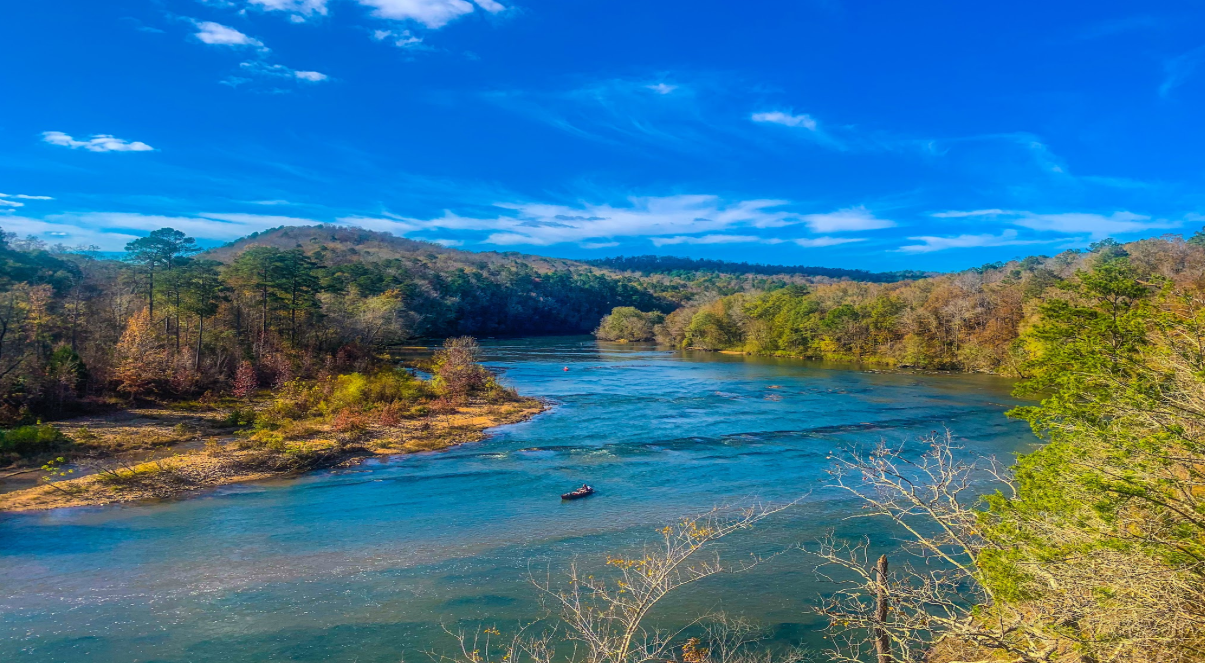
Flint River originates near the Atlanta airport and runs roughly 344 miles southward through central and southwest Georgia before ultimately flowing into the Apalachicola River in Florida. It supports diverse ecosystems and provides water for agricultural, recreational, and municipal uses across multiple counties. Its watershed is both ecologically rich and socially important, supplying drinking water and habitat for fish, birds, and other wildlife.
Fuel spills like the one in 2026 are not isolated. Historical records show multiple incidents where jet fuel and other contaminants have entered the Flint’s headwaters near the airport — including significant spills as recent as September 2021, when approximately 1,300 gallons of jet fuel entered the river and led to fish kills and lingering fuel sheens. (ajc)
This combination of heavy industrial activity and a major watershed’s source makes the Flint River especially vulnerable. Contaminants can travel downstream for many miles, affecting water quality far from the initial site of a spill. The river’s health is not just a local concern — its waters connect to larger water systems that cross ecological and political boundaries.
Environmental Impacts of Fuel Spills on Watersheds
Fuel spills pose several serious threats to watershed health:
1. Toxicity to Aquatic Life
Jet fuel and kerosene contain complex mixtures of hydrocarbons and additives that are harmful to aquatic organisms. When fuel enters a river, it can coat the surface and water column, inhibiting oxygen exchange and exposing fish and invertebrates to toxic compounds. Past spills on the Flint have been linked to fish kills, with dozens of species — from minnows to catfish — found dead following contamination events. (ajc)
2. Disruption of Ecosystem Function
Many aquatic species are sensitive to even low levels of hydrocarbons. Chronic exposure can reduce reproductive success, impair growth, and weaken immune systems in fish, amphibians, and insects. Over time, this can shift species composition and reduce biodiversity in affected waterways.
3. Contamination of Drinking Water Supplies
Although Griffin’s advisory was temporary, the risk of contamination in water supplies remains a major concern. Fuel compounds can be difficult to remove once they enter treatment systems, and public health agencies often take precautionary measures (like boil or do-not-consume advisories) to protect residents even when the risk is uncertain.
4. Bioaccumulation and Human Health Risks
Some components of petroleum products can accumulate in the food web. Fish and shellfish that survive initial exposure may carry contaminants that reach humans or wildlife that consume them. Long-term exposure to certain hydrocarbons is linked to increased cancer risk, liver or kidney damage, and other health issues.
Fuel spills also compromise the recreational use of rivers. People are less likely to swim, fish, or boat in waters with visible sheens or odors. This hits local economies and the cultural value of rivers in rural communities.
Community and Advocacy: Responding to Threats
The latest spill, while quickly contained, has prompted renewed calls from environmental advocates for stronger protections and greater transparency.
Groups like the
Flint Riverkeeper and broader coalitions focused on Georgia’s watersheds are urging improved monitoring and public notification protocols. One key criticism is that local officials weren’t notified immediately when the spill first entered the river, delaying awareness of potential risk downstream. Advocates argue for
real-time alert systems that notify communities as soon as contaminants enter waterways. (ajc)
How Watershed Advocates Should Respond
Here are some strategies that advocates can pursue to protect the Flint and other Georgia waterways:
1. Advocate for Transparency and Timely Alerts
Environmental groups should push for regulatory changes requiring immediate public notification of any hazardous discharge into watersheds — regardless of initial estimates of volume or impact. Transparency builds public trust and ensures communities can take timely precautions.
2. Strengthen Enforcement and Prevention Measures
Incidents like the 2026 spill will continue unless preventive systems and maintenance protocols at industrial operations improve. Advocates can work with state agencies to ensure more rigorous inspections, stronger enforcement of environmental laws, and accountability when spills occur.
3. Expand Monitoring Networks
Installing more continuous monitoring stations along rivers can help detect contaminants more rapidly and accurately than periodic sampling. Local watershed groups can collaborate with universities, government agencies, and citizen scientists to deploy sensors and collect data.
4. Educate and Mobilize Communities
Public awareness campaigns help residents understand the risks and how fuel spills affect human health and local ecosystems. Workshops, river clean-ups, and community science initiatives deepen local investment in watershed health and build pressure for policy change.
5. Foster Cross-Sector Coalitions
Protecting a watershed as large and ecologically important as the Flint requires collaboration among environmental organizations, government agencies, utility providers, farmers, businesses, and residents. Coalitions can amplify advocacy, share resources, and promote holistic strategies that balance economic activity with ecological protection.
Conclusion: A Watershed in the Balance
The 2026 fuel spill at Hartsfield-Jackson International Airport and the subsequent precautionary advisory in Griffin serve as a sobering reminder: modern infrastructure and natural waterways are intricately interconnected. When contaminants enter a watershed, the impacts ripple outward — threatening ecosystems, public health, and local economies.
Protecting Georgia’s rivers like the Flint requires vigilance, robust policy, and community engagement. While temporary advisories and quick testing can mitigate immediate risks, long-term solutions must prioritize prevention, transparency, and resilience. Only then can we ensure that the waters flowing past Atlanta continue to sustain life and livelihoods far into the future.
Press & Media Inquiries
Contact Us
About Southern Conservation Trust
At Southern Conservation Trust, we are passionate about elevating nature through exceptional stewardship. Based in Georgia, our 501(c)(3) public charity has successfully conserved over 65,000 acres of land across the Southeast, including five public nature areas in Fayette County and the Fayette Environmental Education Center. We believe that protecting our natural spaces is just the beginning; everyone should have equal access to enjoy the beauty of the outdoors. Join us in our mission to foster a deeper connection between people and nature. Learn more at www.sctlandtrust.org.
Share Post
Recent Articles & Blogs