Zoning vs. Conservation Easements: Understanding the Difference
Why zoning alone doesn’t permanently protect land—and how conservation easements ensure lasting protection.
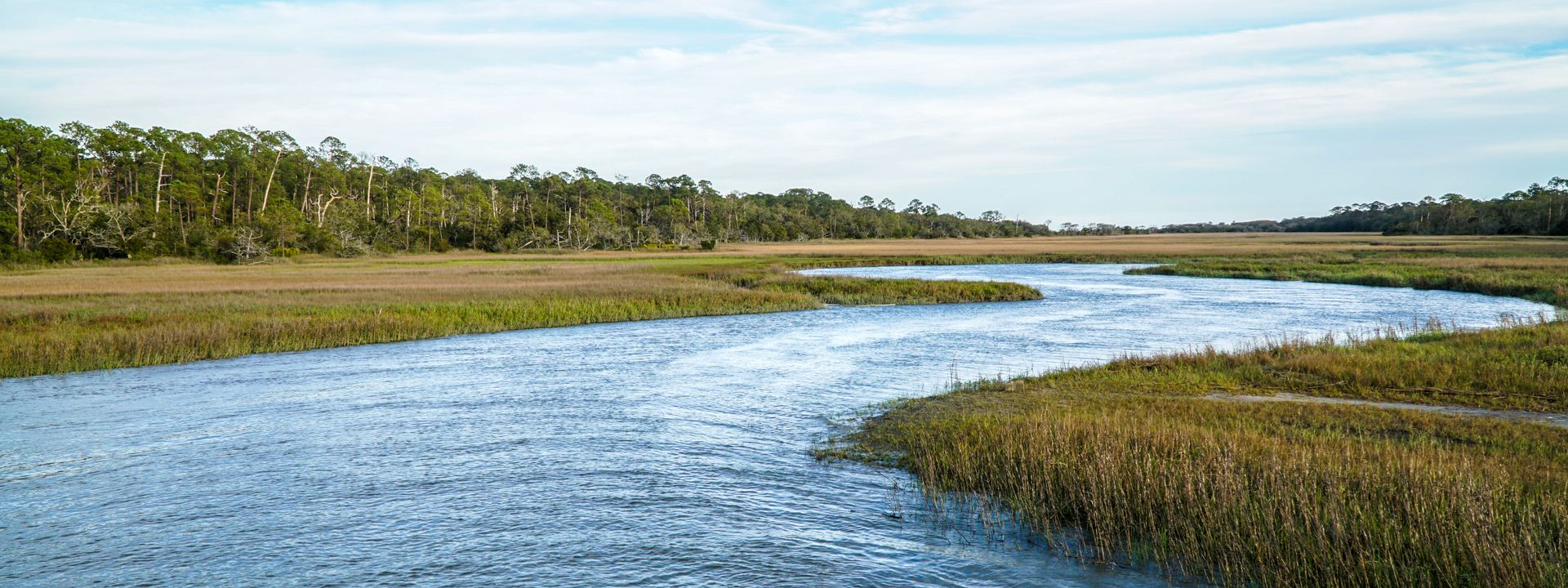
Across fast-growing regions of the United States, communities are increasingly looking for ways to balance development with the protection of natural landscapes. Terms like “rural conservation” and “conserved land” are often used in planning discussions, zoning hearings, and community conversations. While they may sound similar, they represent two very different levels of protection for land and natural resources.
Understanding the difference between these two concepts is essential for landowners, community leaders, and anyone who cares about the long-term health of our landscapes.
What “Rural Conservation” Zoning Means
Many counties and municipalities designate certain areas as rural conservation zones. These zoning categories are intended to guide development in a way that maintains rural character, protects farmland, and limits urban-style density.
In practice, rural conservation zoning typically means:
- Lower housing density (for example, one home per 5–10 acres)
- Restrictions on certain types of development
- Encouragement of agriculture or forestry
- Preservation of open space character
Zoning is a local government planning tool that is adopted by counties or cities and can help slow down intense development in sensitive or rural areas.
However, zoning has an important limitation:
it can change.
Local governments can modify zoning classifications through political processes. If development pressure increases, land currently zoned for rural conservation could be rezoned for higher-density residential or commercial development. This means that while rural conservation zoning can shape growth patterns, it does not permanently protect the land.
Permanent Conservation Through Easements and Deed Restrictions
One of the strongest ways to protect land is through voluntary legal agreements that permanently limit development. The most widely used of these is a conservation easement, where a landowner works with a qualified organization to place permanent conservation protections on their property. Organizations such as Southern Conservation Trust and national groups like The Nature Conservancy help landowners conserve properties with important ecological, agricultural, or scenic value.
When land is protected by a conservation easement:
- Development rights are permanently limited
- The restrictions remain in place even if the property is sold
- The land stays in private ownership in many cases
- Future uses must support conservation goals
These agreements are recorded with the property deed and are monitored over time to ensure compliance. Because they stay with the land in perpetuity, they create lasting protection that extends far beyond zoning regulations.
Other conservation tools also exist. Some landowners use private restrictive covenants, which are permanent deed restrictions placed directly on the property, while programs like Georgia's Conservation Use Valuation Assessment provide temporary tax incentives for keeping land in agricultural or conservation use. While these options vary in permanence and structure, they all rely on voluntary participation by the landowner.
Key Differences Between Zoning and Voluntary Land Conservation
While both concepts aim to protect landscapes, the differences between them are significant.
1. Permanence
- Rural conservation zoning: Temporary and changeable through political processes.
- Voluntarily conserved land: Permanent protection through recorded legal agreements.
2. Authority
- Rural conservation zoning: Established and controlled by local governments.
- Voluntarily conserved land: Enforced through legal instruments held by conservation organizations or land trusts.
3. Flexibility
- Rural conservation zoning: Can be rezoned or modified as community priorities change.
- Voluntarily conserved land: Restrictions remain regardless of future political decisions.
4. Ownership and Participation
- Rural conservation zoning: Applies to any land within the zoning district.
- Voluntarily conserved land: Voluntary and agreed upon by the landowner.
Why This Difference Matters
In rapidly growing regions, land that appears protected today may not remain that way tomorrow if its protection depends solely on zoning.
Communities experiencing growth pressure often see rural conservation areas gradually transition to suburban development as infrastructure expands and housing demand increases. Roads are widened, sewer lines are extended, and over time, the political will to maintain low-density zoning can fade.
Permanent conservation protections provide a safeguard against these pressures. Because the restrictions are embedded in the property deed, they remain in place regardless of future development trends.
This distinction is especially important for protecting:
- Watersheds and drinking water sources
- Wildlife habitat and migration corridors
- Farmland and working forests
- Scenic landscapes and community green space
A Complementary Approach
Importantly, rural conservation zoning and legal conservation are not opposing strategies—they work best when used together.
Zoning can guide responsible growth and maintain rural character across large areas, while conservation easements and protected lands ensure that key landscapes remain permanently protected.
Communities that combine thoughtful land-use planning with long-term conservation tools are often the most successful at maintaining their natural assets while accommodating responsible development.
Looking Ahead
As communities grow, the choices we make about land protection become increasingly important. Zoning can shape the pace and form of development, but only legally conserved land guarantees that future generations will inherit the landscapes we value today.
For landowners, policymakers, and conservation advocates, understanding this difference is the first step toward building communities where growth and conservation can coexist.
After all, protecting land is not just about today’s planning decisions—it’s about
ensuring that the forests, farms, streams, and trails we enjoy today remain part of the landscape for generations to come.
Press & Media Inquiries
Contact Us
About Southern Conservation Trust
At Southern Conservation Trust, we are passionate about elevating nature through exceptional stewardship. Based in Georgia, our 501(c)(3) public charity has successfully conserved over 65,000 acres of land across the Southeast, including five public nature areas in Fayette County and the Fayette Environmental Education Center. We believe that protecting our natural spaces is just the beginning; everyone should have equal access to enjoy the beauty of the outdoors. Join us in our mission to foster a deeper connection between people and nature. Learn more at www.sctlandtrust.org.
Share Post
Recent Articles & Blogs