Science, Growth, and Georgia's Future: Why Facts Matter More Than Ever
Georgia is growing.
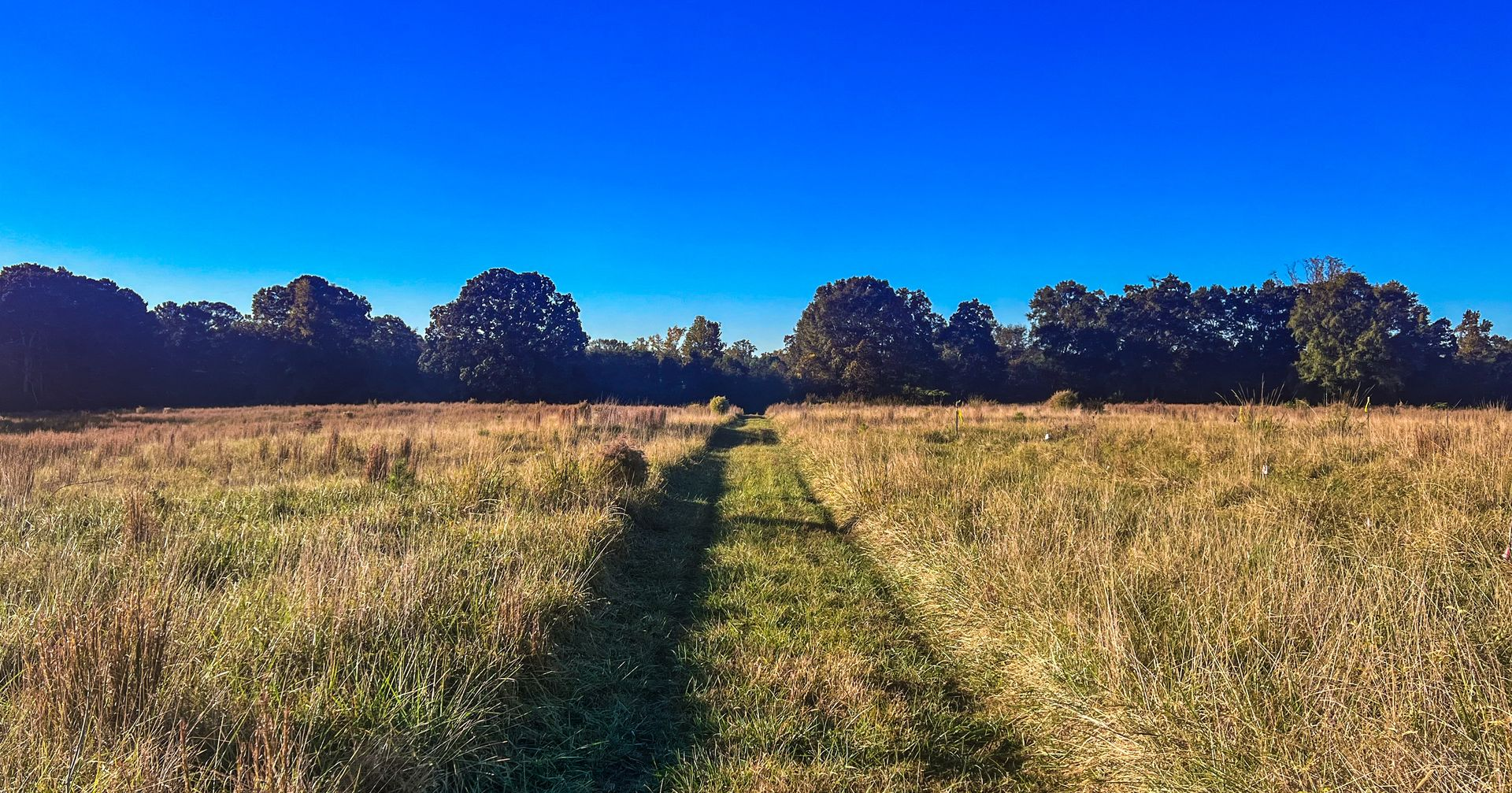
New residents arrive every day. Businesses continue to relocate here. New developments, industries, and infrastructure projects are reshaping communities from the mountains to the coast. As Georgia balances economic growth with environmental stewardship, one question becomes increasingly important:
How do we make decisions based on facts rather than opinions?
That question was at the center of a recent episode of The Trail We Share Podcast featuring Dr. Amy Sharma, Executive Director of Science for Georgia, and Dr. Michael Czajkowski, Director of Advocacy for the organization.
Their message was clear: science should not be viewed as a barrier to progress. Instead, it should serve as a guide to help communities make smarter decisions about their future.
Bringing Science Out of the Lab and Into Communities
Moving science out of the lab and into the streets bridges the gap between what research says and what it actually looks like in our communities. Real progress depends on coalitions, networks, and a commitment to relentless incrementalism, because meaningful change happens when people keep showing up and working together at the local level.
For too long, everyday people have been left out of conversations about issues like building infrastructure (i.e. data centers, factories, and even greenspaces) even though these decisions shape the places we live. Empowering people with knowledge, and including all voices in the conversation, is a rising tide that lifts all boats. By leaving the pitchforks at home, engaging locally, and sharing knowledge as something social and hopeful, science can become a bridge that empowers communities rather than a battleground that divides them.
Energy Challenge
One of the most pressing issues facing Georgia today is energy demand.
As technology companies expand and new data centers are proposed across the state, demand for electricity continues to increase. According to Sharma, many current proposals rely heavily on expanding traditional fossil-fuel infrastructure, even though more sustainable alternatives are available.
The concern is not simply about producing more energy. It is about asking important questions:
- How much additional power is truly needed?
- Who benefits from that power?
- Who pays for the infrastructure?
- What environmental impacts accompany that growth?
Science can help answer these questions by evaluating alternatives, improving efficiency, and identifying more sustainable approaches.
Understanding the Data Center Debate
Few topics have generated more discussion across Georgia in recent months than data centers.
These massive facilities support cloud computing, artificial intelligence, and digital services. While they may appear to be simple buildings, their environmental footprint extends far beyond their walls.
According to Science for Georgia, data centers present several challenges:
Land Use
Large facilities require extensive acreage, often resulting in tree removal, habitat loss, and increased stormwater runoff from impervious surfaces.
Water Consumption
Many data centers rely on cooling systems that consume enormous quantities of water. Some cooling technologies use evaporative processes that can significantly impact local water supplies.
Energy Demand
Data centers require substantial amounts of electricity, creating pressure to expand power generation and transmission infrastructure.
Community Impacts
While often marketed as economic development projects, data centers typically create relatively few permanent jobs compared to their size and resource consumption.
The discussion is not necessarily about stopping all technological growth. Instead, it is about ensuring that growth occurs responsibly and that communities have a voice in decisions affecting their future.
What Does Responsible Growth Look Like?
One of the most important themes from the conversation was that conservation and economic growth do not have to be opposing forces.
Science suggests that communities can pursue both.
Responsible development may include:
- Investing in renewable energy sources
- Increasing water efficiency
- Preserving wildlife corridors
- Protecting wetlands and natural infrastructure
- Incorporating green space into development plans
- Ensuring proper stormwater management
- Creating end-of-life plans for large industrial facilities
- Establishing meaningful community benefit agreements
Perhaps most importantly, responsible growth requires public involvement.
Too often, communities learn about major projects only after key decisions have already been made. Inclusive planning leads to better outcomes and stronger public trust.
Conservation Has Economic Value
At Southern Conservation Trust, we frequently discuss the ecological value of protected lands. But conservation also has measurable economic value.
Conservation easements protect working farms, forests, wildlife habitat, water resources, and scenic landscapes. They help avoid future costs associated with environmental degradation, flooding, water treatment, habitat restoration, and infrastructure expansion.
Sharma noted during the discussion, society often fails to account for the true costs of development.
Restoring damaged ecosystems is almost always more expensive than protecting them in the first place.
Whether it is stream restoration, wetland rehabilitation, or reforestation, the price of repairing environmental damage often exceeds the cost of preventing it.
The Importance of Community Engagement
Show up.
- Attend city council meetings.
- Participate in county commission meetings.
- Ask questions.
- Stay informed.
Communities across Georgia have successfully influenced local policy by becoming engaged in decisions regarding development, zoning, environmental protection, and infrastructure planning.
Public participation remains one of the most effective tools citizens have to shape the future of their communities.
Finding Common Ground
In an increasingly polarized world, science can sometimes become caught in political debates. Yet many of the challenges facing Georgia transcend political labels.
- Clean water
- Reliable energy
- Healthy communities
- Protected natural resources
- Economic opportunity
These are goals that resonate with people across the political spectrum.
Czajkowski emphasized, meaningful progress often begins by finding areas of agreement and building relationships across traditional divides.
The future of Georgia will require collaboration, thoughtful planning, and a willingness to listen to diverse perspectives.
The Trail We Share
Whether we live in a rural farming community, a growing suburb, or the heart of a major city, we all share the same air, water, landscapes, and natural resources.
The choices we make today will shape Georgia for generations to come.
Science provides the tools to understand those choices. Conservation provides a framework for protecting what matters.
Community engagement ensures that every voice has an opportunity to be heard.
The path forward is not a choice between growth and conservation.
The path forward is pursuing both—thoughtfully, responsibly, and guided by evidence.
Because the future of Georgia is a trail we all share.
Press & Media Inquiries
Contact Us
About Southern Conservation Trust
At Southern Conservation Trust, we are passionate about elevating nature through exceptional stewardship. Based in Georgia, our 501(c)(3) public charity has successfully conserved over 65,000 acres of land across the Southeast, including five public nature areas in Fayette County and the Fayette Environmental Education Center. We believe that protecting our natural spaces is just the beginning; everyone should have equal access to enjoy the beauty of the outdoors. Join us in our mission to foster a deeper connection between people and nature. Learn more at www.sctlandtrust.org.
Share Post
Recent Articles & Blogs