
Jimmy Carter Continues to Make a Positive Impact on Individuals He'll Never Meet
From the perspective of Chris Doane
In 1973, the Army Corps of Engineers proposed building a dam on the Flint River at Sprewell Bluff, a project that would have halted the free flow of over 200 miles of pristine waterway. But Jimmy Carter, then Governor of Georgia, saw the bigger picture. He recognized the profound environmental cost such a project would impose and had the courage to veto the proposal, standing as a steward for nature and future generations.
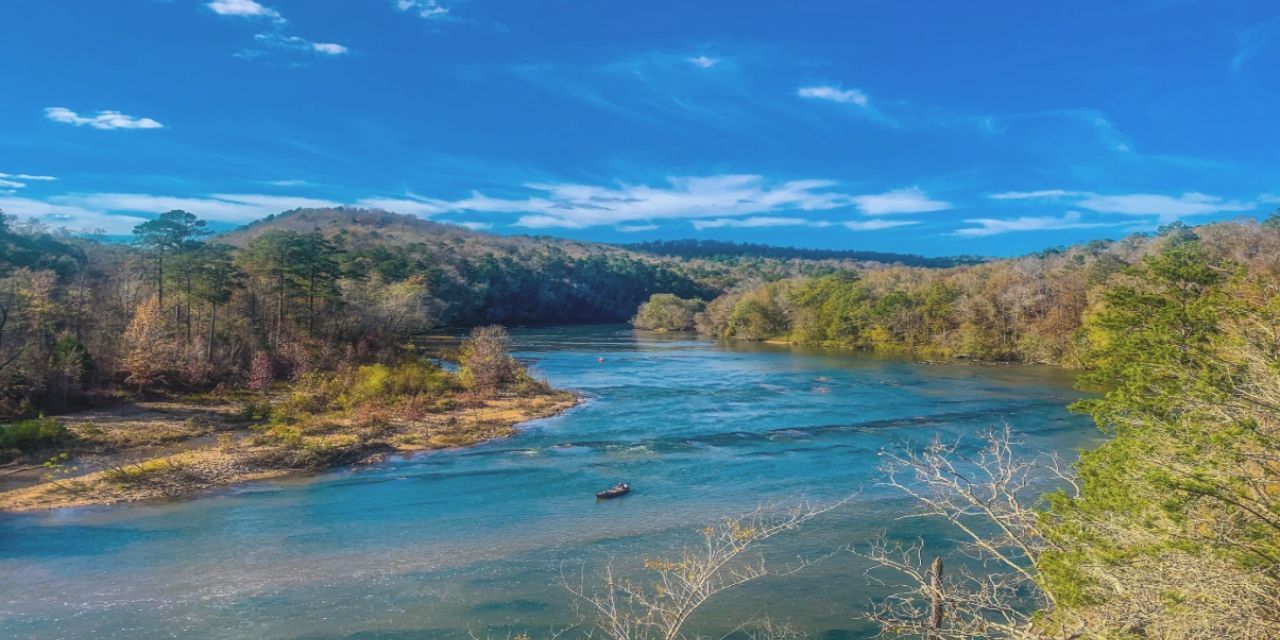
Today, half a century later, the Flint River still flows freely, a living testament to Carter’s visionary leadership. It remains one of just 40 rivers in the United States that runs unimpeded for over 200 miles, its waters carving through the Georgia landscape and enriching countless lives. Carter’s decision, rooted in his passion for conservation, continues to ripple through time, touching people he would never know.
A lone canoeist drifts along the Flint River, surrounded by a breathtaking landscape that feels more Appalachian than Georgian. Sprewell Bluff, a hidden gem just 70 miles south of Atlanta, offers a sanctuary of unspoiled beauty where the river gracefully cuts through the terrain north of Georgia’s fall line. As the canoeist glides through this serene stretch, they may feel the quiet legacy of Jimmy Carter—a man who chose to protect this treasure, ensuring its flow for generations yet to come.
Carter carefully examined the idea of constructing a dam and creating a lake. He approached the proposal with an open mind and a commitment to thorough evaluation. He carefully weighed the potential economic benefits of the dam, as advocated by its supporters, against the irreplaceable value of preserving a pristine river corridor.
Proponents of the project emphasized the economic opportunities a dam and lake could bring to surrounding communities—an argument commonly made by those advocating for development at the expense of natural spaces. However, Carter understood that the true value of some spaces lies not in what can be built upon them, but in their enduring natural beauty and ecological significance.
By thoughtfully considering both sides, Carter recognized that the preservation of the Flint River would yield a more profound and lasting impact. His decision was not just a rejection of development but an affirmation of the long-term benefits that come from safeguarding nature’s treasures.
Sprewell Bluff and the example Jimmy Carter set are among the reasons I transitioned to a career in conservation and the preservation of green spaces. Like Carter, my goal is to advocate for protecting natural spaces today, knowing that the impact will reach far into the future, touching lives of people I may never meet. This work isn’t about personal recognition or leaving a legacy—it’s about doing what’s right.
When our communities face decisions that pit development against conservation, Carter’s leadership serves as a powerful reminder of the importance of thoughtful, deliberate choices. His legacy demonstrates how one decision, rooted in care and foresight, can inspire generations to value and protect the natural world.
Sometimes, the right response to development is a firm "no." It takes courageous leadership to stand up and make that choice.
Thank you, Jimmy Carter, for your courage, your steadfast leadership, and a lifetime dedicated to thoughtful service.
Press & Media Inquiries
Contact Us
About Southern Conservation Trust
At Southern Conservation Trust, we are passionate about elevating nature through exceptional stewardship. Based in Georgia, our 501(c)(3) public charity has successfully conserved over 65,000 acres of land across the Southeast, including five public nature areas in Fayette County and the Fayette Environmental Education Center. We believe that protecting our natural spaces is just the beginning; everyone should have equal access to enjoy the beauty of the outdoors. Join us in our mission to foster a deeper connection between people and nature. Learn more at www.sctlandtrust.org.
Share Post
Recent Articles & Blogs