For Those That Caught the Fire Bug
We Didn’t Start the Fire:
Burn Unit 3
Written by: Paxton Caroline Hayes
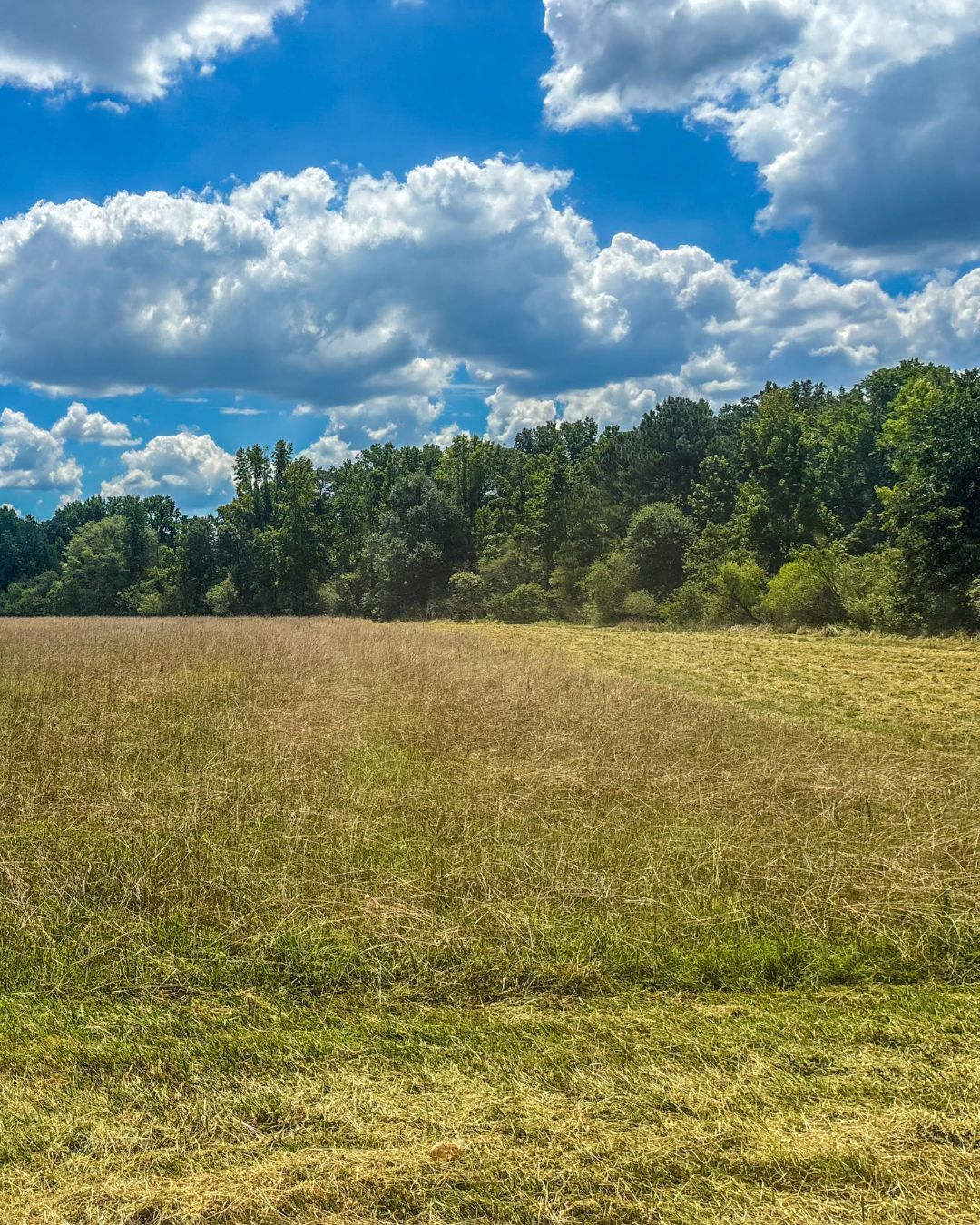
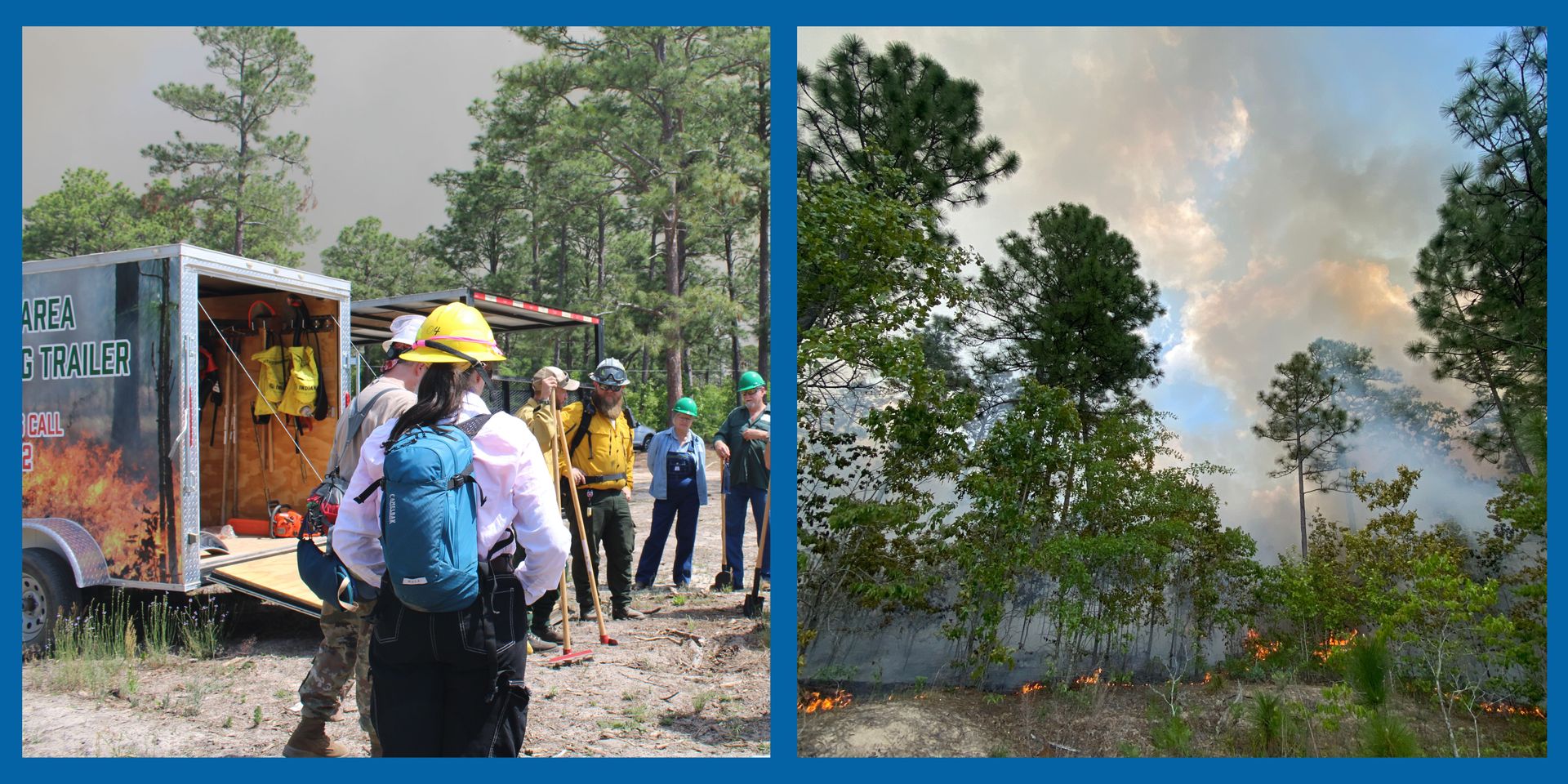
Left photo taken by a Georgia DNR employee, right photo taken by Paxton Caroline Hayes
Location:
McDuffie PFA in Dearing, GA
Learn and Burn
If you want to learn more about prescribed fire, then this blog post is for you! From hands-on learning opportunities to online resource hubs, there is a way for everyone to further their knowledge. While some of the links I will share are Georgia-specific (my home state), others are applicable to all states in the Southeast. If you need help finding resources for your state or region, connect with me via email at paxton@sctlandtrust.org. I will be happy to help!
For those burning to get on the fire line, attending a Learn and Burn is the perfect opportunity to gain hands-on experience with prescribed fire. These workshops are offered in most Southeastern states and vary based on the time of year and host organization. From a half-day in the classroom and half-day in the field, to a full day (or even multiple days) in the field, Learn and Burns will teach you about fire safety, smoke management, firing techniques, and more… with a drip torch in hand!
If you are interested in attending a Learn and Burn workshop, look to your local
Prescribed Burn Association (PBA) or State Department of Natural Resources for dates and locations. These opportunities are dependent on weather conditions and site-specific needs, so be sure to stay in touch with your local organizations for the latest updates. I caught the fire bug at my first Learn and Burn, and you might, too!
PBAs
Prescribed Burn Associations, or PBAs, are community-led organizations dedicated to educating and supporting anyone interested in using prescribed fire on privately owned land. They help mitigate barriers to prescribed burning by providing place-based fire outreach and shared resources year-round. If you don’t have the confidence to burn on your own, don’t have the ability to purchase all the necessary equipment, or want to help other landowners in your area, your local PBA is a great place to start!
Not all geographic areas in the Southeast have a PBA, but service areas are growing as more people become dedicated to using prescribed fire as a land management tool. In Georgia, we currently have three active PBAs: the
Chattahoochee Fall Line Prescribed Fire Cooperative, the
Savannah River PBA, and the
Southwest Georgia BPA. If your county is not in a PBA service area, your
County Ranger with the Georgia Forestry Commission can be a great source of information and support.
Trusted Organizations
For more passive learning opportunities, the following organizations are great places to start your own research! This list is nowhere near exhaustive and does not include fire-friendly organizations in other focus areas, such as Birds Georgia.
Federal and State Agencies:
Georgia Department of Natural Resources
For my non-Georgia readers, visit your state’s equivalent agencies!
Non-Governmental Organizations:
Georgia Prescribed Fire Council
And the SFE Resources Hub
Southern Group of State Foresters (SGSF)
Other Ways to Learn
If YouTube is more your style, most of the above trusted organizations have channels packed with educational videos, interviews, recorded webinars, and more. From the Longleaf Alliance's "Getting Started with Prescribed Fire" to Tall Timbers’ "Burn Smart" safety practices, understanding the basics is just a click away. For those interested in specific topics surrounding prescribed fire or wildland fire, the Southern Fire Exchange’s channel hosts enough videos for multiple rabbit holes (or gopher tortoise burrows) of exploration.
If you have gotten into podcasts,
NC State University
students put together a list of series and single episodes centered on various aspects of prescribed fire. My current house-cleaning companion is the
Get FireSmart
podcast series from our neighbors in Canada! Leaders in this program, similar to
FireWise
in the United States, interview other experts in the world of wildland fire and fire prevention. Over the past few years, they have discussed everything from the
basics of prescribed fire
to how our
changing climate impacts wildland fire. Fire doesn’t know borders, and neither should our knowledge of fire.
Press & Media Inquiries
Contact Us
About Southern Conservation Trust
At Southern Conservation Trust, we are passionate about elevating nature through exceptional stewardship. Based in Georgia, our 501(c)(3) public charity has successfully conserved over 65,000 acres of land across the Southeast, including five public nature areas in Fayette County and the Fayette Environmental Education Center. We believe that protecting our natural spaces is just the beginning; everyone should have equal access to enjoy the beauty of the outdoors. Join us in our mission to foster a deeper connection between people and nature. Learn more at www.sctlandtrust.org.
Share Post
Recent Articles & Blogs