Keeping Georgia Farms in the Family: A Legacy of Land, Conservation and Stewardship
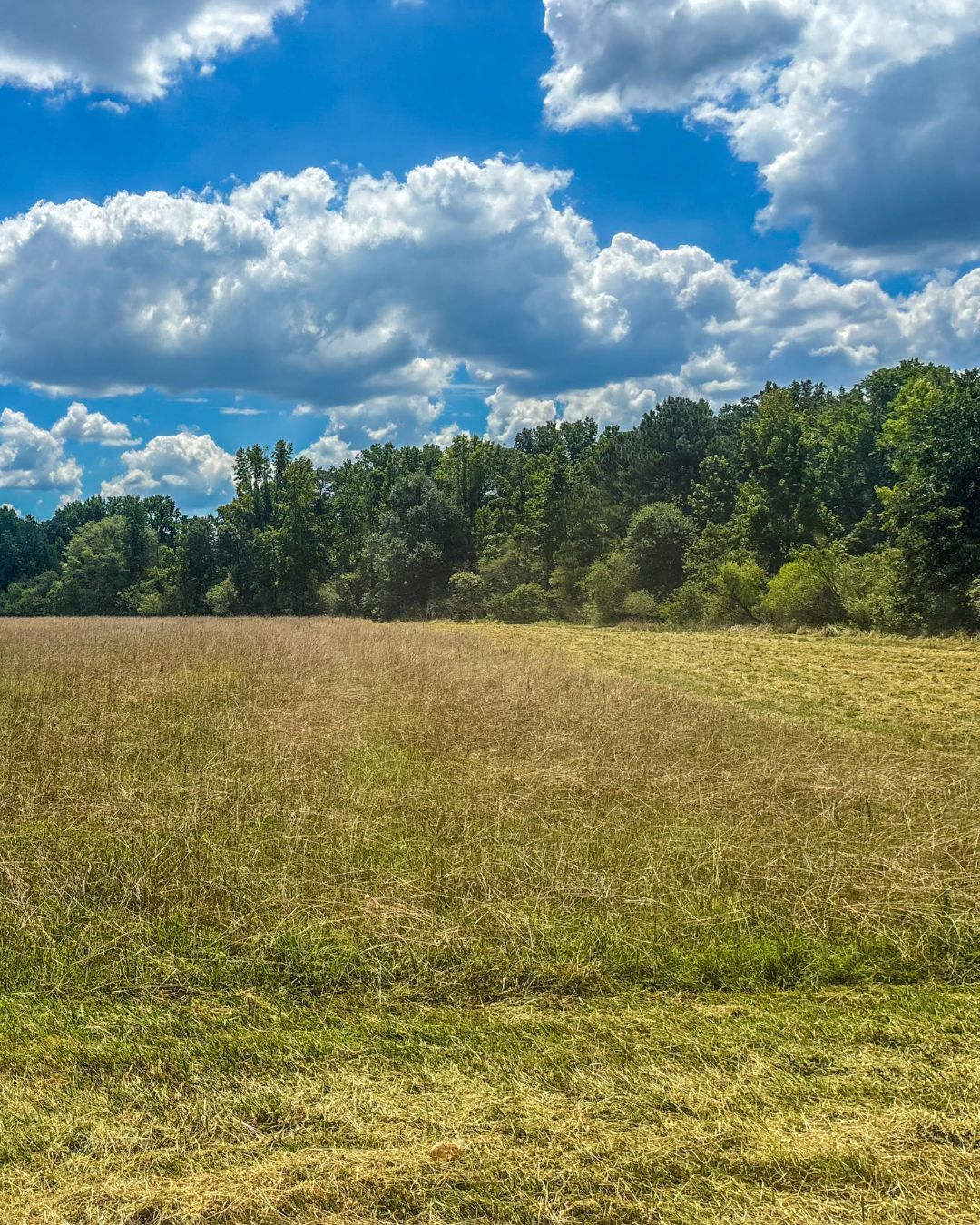
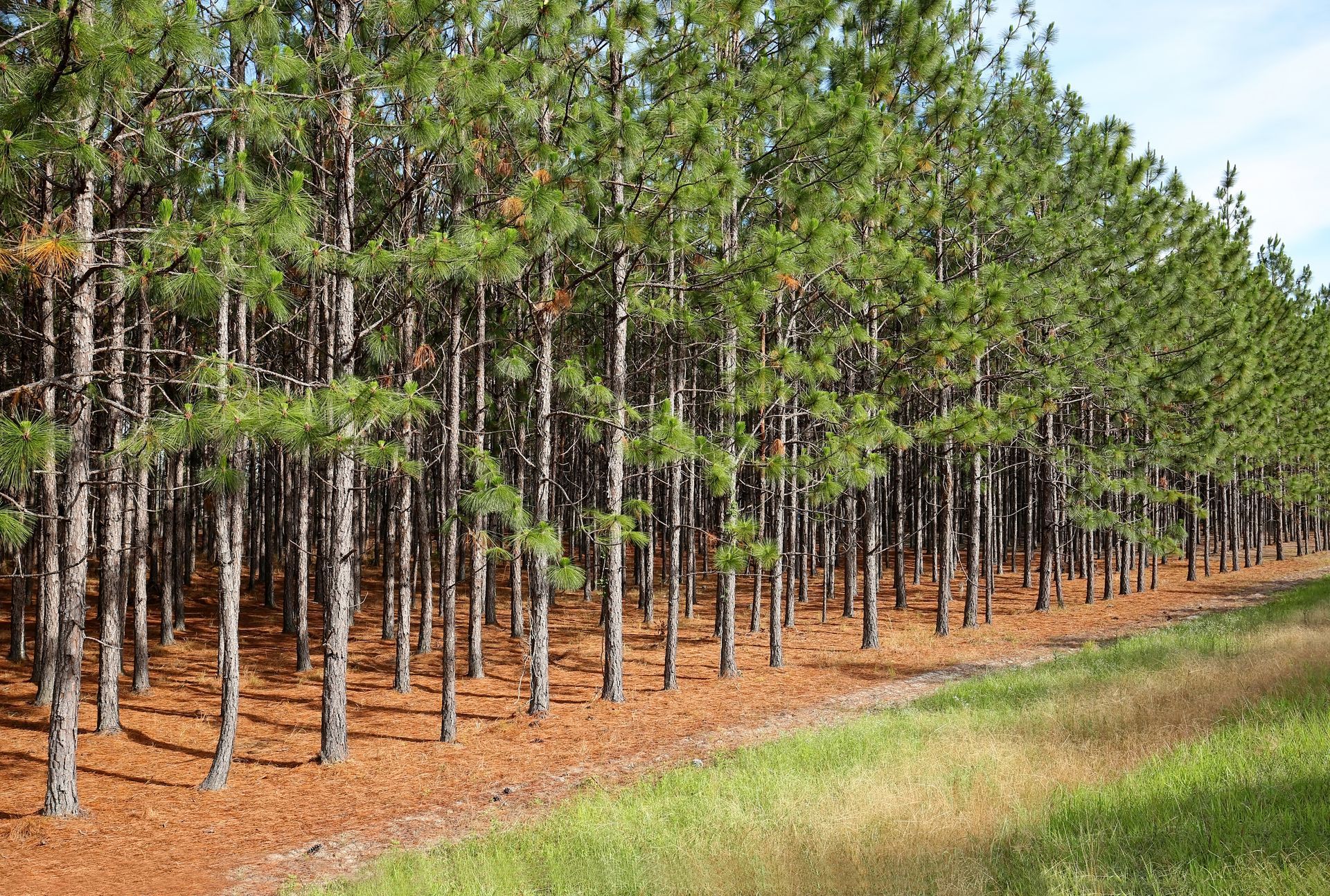
For one Pike County father, farming was about much more than growing TREES.

It was about family, hard work and leaving the land better than he found it.
Over the years, he planted thousands of trees across his property, helping to restore the land and create habitat for future generations. He has also developed a passion for restoring antique farm equipment, including a 1940 Oliver Cletrac crawler tractor; a reminder of the machinery and determination that once defined American agriculture.
His farm represented something increasingly important in Georgia: a working family farm that is both productive and carefully stewarded.
The father took advantage of Georgia's Conservation Use Valuation Assessment (CUVA) program, which provides qualifying agricultural and timber land with a reduced property-tax assessment based on its current-use value. In exchange, landowners commit to keeping the property in a qualifying use for a 10-year period.
Programs such as CUVA can help make it more financially feasible to keep land in agriculture rather than selling it for development.
But CUVA is only one of several conservation opportunities available to Georgia farmers and landowners.
Conservation Easements Can Protect the Farm Permanently
A conservation easement is a voluntary agreement that permanently limits certain types of development while allowing the landowner to retain ownership and continue farming, forestry and other compatible activities.
For a family farm, an easement can provide a way to protect the property from future development while keeping the land in the family.
Depending on the circumstances, conservation easements may also provide financial, tax and estate-planning benefits. Every property is different, and landowners should consult qualified legal and financial professionals before making decisions.
New Opportunities to Protect Georgia Farmland
Georgia has recently added another important tool: the Georgia Farmland Conservation Fund.
Administered by the Georgia Department of Agriculture, the program provides financial assistance toward the purchase of conservation easements on agricultural land. Its goal is to help keep working farmland in agriculture rather than allowing it to be converted to residential, commercial or other development.
The program's first application cycle took place in 2026, with future application cycles to be announced by the Georgia Department of Agriculture.
Landowners interested in the program work with an eligible conservation partner, such as a qualified land trust, to develop an easement proposal.
Federal Programs Can Help Farmers Steward the Land
Georgia farmers can also take advantage of several USDA conservation programs.
Agricultural Conservation Easement Program (ACEP) provides assistance for conservation easements that protect agricultural land and prevent its conversion to non-agricultural uses.
Environmental Quality Incentives Program (EQIP) provides technical and financial assistance for practices that address soil health, erosion, water quality, wildlife habitat and other natural-resource concerns.
Conservation Stewardship Program (CSP) helps farmers build on existing conservation practices and improve the environmental performance of their operations.
Conservation Reserve Program (CRP) provides financial incentives for eligible landowners and producers who establish conservation practices on qualifying agricultural acreage.
Together, these programs recognize an important principle: conservation and farming can work hand in hand.
More Than a Farm
The Pike County father's thousands of trees, restored tractor and working farmland tell a larger story about conservation.
A farm can be a place where a family earns a living, but it can also protect forests, streams, wildlife habitat and open space. As Georgia continues to grow, keeping these lands intact becomes increasingly important.
For many families, the question is not simply whether to sell or keep their farm. It is how to make keeping the farm financially and practically sustainable for the next generation.
Programs such as CUVA, conservation easements, the Georgia Farmland Conservation Fund and USDA conservation programs give landowners more choices.
The story of one Pike County father demonstrates what conservation can look like in practice: planting trees, restoring the tools of agriculture, caring for the land and creating a legacy that can be passed to the next generation.
That father’s name was David Doane—and he was my father.
David passed away in 2005, but his legacy continues to impact others. He had a deep passion for his family, farm life, and antique tractors. Perhaps his greatest legacy was found in the way he lived. He taught us the importance of treating people with kindness and respect, caring for family, working the land, and being a responsible steward of land.
His love for the farm and the land was more than a way of life; it was a reflection of who he was. Those values have stayed with me and continue to influence how I see family, community, conservation, and the responsibility we have to leave something better for those who come after us.
Start the Conversation
Every farm and every family is different. There is no single conservation strategy that works for everyone.
If you own a family farm in Georgia, consider talking with a qualified conservation organization, agricultural advisor, attorney or financial professional about the options available to you.
Because protecting a family farm today can help ensure there is a family farm tomorrow.
Resources
Georgia Department of Agriculture: Georgia Farmland Conservation Fund
USDA Natural Resources Conservation Service: ACEP, EQIP and CSP
USDA Farm Service Agency: Conservation Reserve Program
Georgia Department of Revenue: Conservation Use Valuation Assessment
The Southern Conservation Trust does not provide legal or tax advice. Landowners should consult qualified professionals regarding their individual circumstances.

Press & Media Inquiries
Contact Us
About Southern Conservation Trust
At Southern Conservation Trust, we are passionate about elevating nature through exceptional stewardship. Based in Georgia, our 501(c)(3) public charity has successfully conserved over 65,000 acres of land across the Southeast, including five public nature areas in Fayette County and the Fayette Environmental Education Center. We believe that protecting our natural spaces is just the beginning; everyone should have equal access to enjoy the beauty of the outdoors. Join us in our mission to foster a deeper connection between people and nature. Learn more at www.sctlandtrust.org.
Share Post
Recent Articles & Blogs