
“Lights Out": Giving Georgia’s Night-Flying Birds A Safer Journey
Why Your Lights At Home Matter
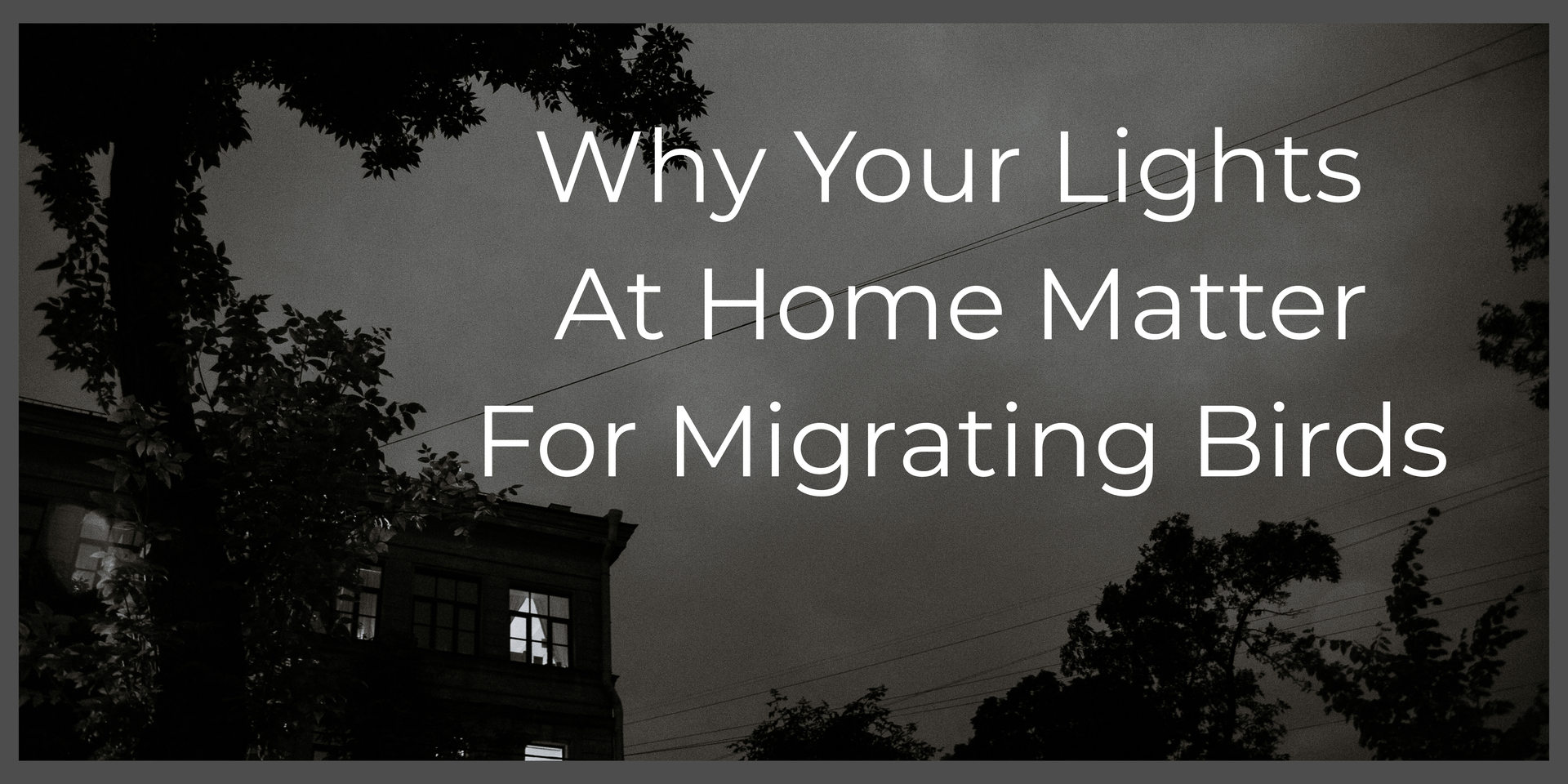
As the sun sets during migration season, millions of birds begin one of nature's most remarkable journeys. Flying under the cover of darkness helps protect them from predators and heat, but artificial light can disrupt migrating birds' natural navigation, drawing them toward buildings where collisions can occur.
The good news? You can make a difference at home. We don’t need to turn our cities pitch-black at night. Instead, by switching off lights we don’t really need, we can make the skies safer for birds while keeping the essential lights on.
Birds Georgia’s Lights Out
Georgia program encourages residents to reduce unnecessary lighting during migration seasons. In Georgia, spring migration typically runs from March 15 through May 31, while fall migration runs from August 15 through November 15. During these periods, residents are encouraged to turn off unnecessary outdoor lights from midnight until sunrise. Even better, turn them off whenever they aren't needed.
Let the Porch Light Take the Night Off
Outdoor lighting can make our homes feel welcoming and provide helpful visibility at night. During migration season, however, making a few small adjustments can help create a safer environment for birds. Consider turning off outdoor lights when they aren't needed, particularly floodlights and decorative lighting. For lights that are important for safety, motion sensors can be a great option because they provide light only when it's needed.
The way outdoor lights are positioned can also make a difference. Choosing fixtures that direct light downward, rather than up toward the sky, helps reduce unnecessary light and preserves the darkness that migrating birds rely on to navigate at night.
Warm Up Your Light Bulbs
When it’s time to replace an outdoor bulb, consider choosing a warm-LED light, with a color temperature of 3,000 Kelvins or lower. These softer lights can provide the illumination you need while helping reduce the amount of light that spills into the surrounding area and night sky. It’s a simple change that can make your outdoor lighting a little more bird-friendly.
Reducing Light Through Your Windows
At night, bright windows can catch the attention of migrating birds and make it harder for them to navigate. Closing your blinds or curtains, especially if you have large windows or lots of glass, can help reduce that glow. And when a room isn’t being used, turning off the lights is an easy way to give migrating birds a darker, clearer sky to travel through.
Lights aren't the only collision risk. Large or reflective windows can also be dangerous for migrating birds. During migration season, consider adding exterior window markers or other bird-safe treatments to make glass more visible to birds.
Become a “Lights Out” neighbor
Want to take your efforts one step further? Birds Georgia encourages residents to sign the Lights Out Georgia homeowner pledge and sign up for Lights Out Alerts. These alerts, which focus on peak migration nights, can help you know when bird migration is expected to be especially active, so you can take extra precautions. If signing up isn’t your thing, you can take a peek at the latest collision forecast here.
You don't have to live in a skyscraper to make a difference. Turning off a porch light, closing the blinds, changing a bulb, or installing a motion sensor may seem like tiny changes. But when neighborhoods across Georgia make those changes together, the night becomes a safer place for birds making one of nature's most remarkable journeys.
Want to help protect the landscapes and natural resources that define our region for future generations? Become a member of the Southern Conservation Trust and support local land conservation, environmental education, and stewardship efforts across Georgia. Learn more and become a member today at
www.sctlandtrust.org/memberships.
Press & Media Inquiries
Contact Us
About Southern Conservation Trust
At Southern Conservation Trust, we are passionate about elevating nature through exceptional stewardship. Based in Georgia, our 501(c)(3) public charity has successfully conserved over 65,000 acres of land across the Southeast, including five public nature areas in Fayette County and the Fayette Environmental Education Center. We believe that protecting our natural spaces is just the beginning; everyone should have equal access to enjoy the beauty of the outdoors. Join us in our mission to foster a deeper connection between people and nature. Learn more at www.sctlandtrust.org.
Share Post
Recent Articles & Blogs